




Autism therapy at the MECAL Psychological Clinic in Gdańsk
We invite you to familiarize yourself with the comprehensive therapy program for children and adolescents with autism spectrum disorders, designed to meet their individual developmental needs and provide support for the entire family.
Thanks to our specialists’ many years of experience in this field, we know how complex your family’s situation can be and what challenges arise in the process of raising a child with autism. Our goal is to provide specialized care that is based on modern therapeutic solutions while emphasizing understanding and empathy.
Why is early intervention so important?
Early diagnosis and the initiation of intensive therapy are crucial, as the child's brain is most malleable in the first years of life. The earlier the process of support and stimulation begins, the greater the chances of improving the child's functioning in various areas of life, such as communication, social relationships, and independence.
Psychological therapy supporting children with autism spectrum disorder
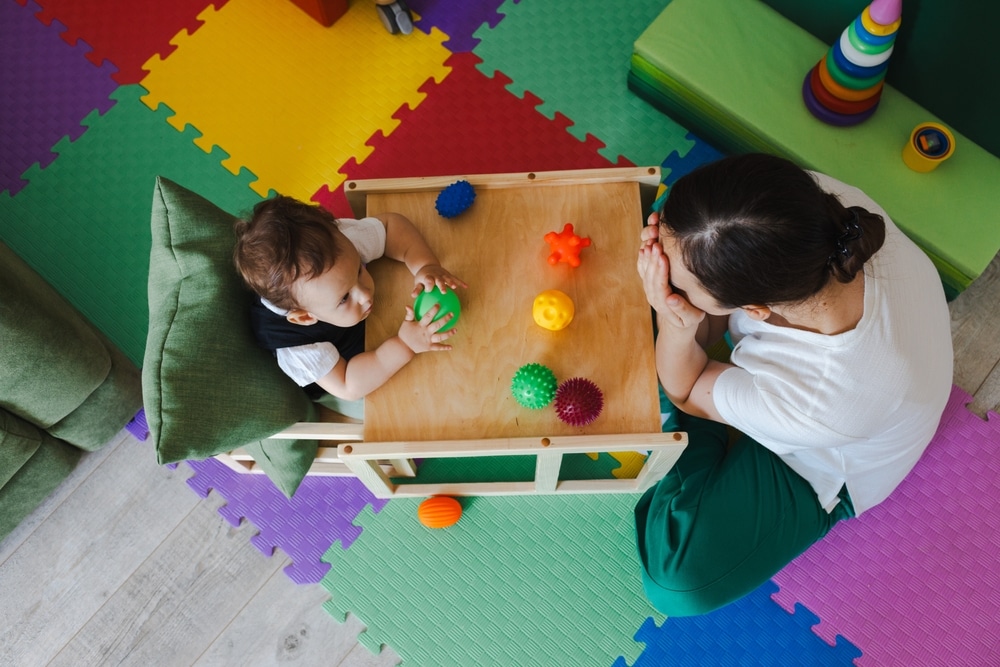
At the MECAL Psychological Clinic in Gdańsk, we prioritize a holistic approach to diagnosis and therapy tailored to the unique needs and functioning profile of each child. In the first stage, we conduct a detailed interview with parents, analyze the results of neuropsychological tests, and observe the child during free play and during diagnostic tasks. This multifaceted process allows for the creation of a personalized therapeutic plan that combines different working methods:
- Cognitive-behavioral therapy (CBT – Cognitive Behavioral Therapy) – supports learning to deal with emotions, teaches how to recognize and express feelings in a way that is understandable to the environment.
- TEACCH method – enables the organization of the child’s environment and supports the development of communication and social skills.
- Social Skills Training (TUS) – helps in establishing contacts with peers and in shaping appropriate social behaviors.
- Elements of sensory therapy – improve the processing of sensory stimuli, which translates into better functioning in everyday life.
- Dogoterpia – Comprehensive support in the therapy of children with autism, combining elements of sensory stimulation, social skills training, and positive emotional reinforcement.
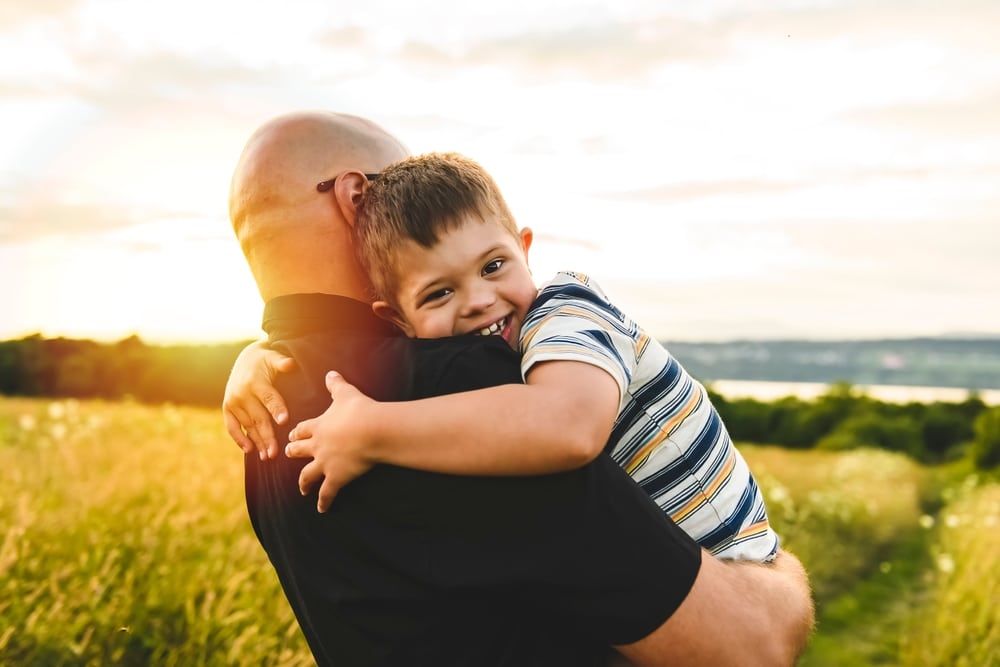

Support from parents and caregivers children with the autism spectrum
We are deeply convinced that parents and caregivers are the most important link in the therapeutic process of a child with autism. Therefore, at the MECAL Psychological Clinic we offer:
- Family counseling – psychoeducational meetings, where parents can gain knowledge about the functioning of children on the autism spectrum and learn about strategies for dealing with difficult situations.
- Workshops and training for parents – they teach techniques that support child development at home and deepen the skills of building safe relationships.
- Telephone and online consultations – allow for constant contact with the therapist, providing support in daily challenges.
Comprehensive interdisciplinary cooperation
Years of experience have shown us how important it is for the cooperation of various specialists involved in the process of treating and treating a child with autism. Therefore, we support the therapy of a child with autism:
- Therapists of sensory integration – to improve the functioning of the nervous system in terms of processing sensory stimuli.
- Child psychiatrists – when pharmacological support or specialized diagnosis is necessary.
Meet Miłka – our Lovely Therapist

Miłka, a Cavalier King Charles Spaniel, is an invaluable therapeutic assistant whose friendly nature helps children feel comfortable and safe. Her gentle temperament, patience, and sensitivity to children’s emotions make Miłka ideal for serving as a therapeutic dog in the therapy of children with autism.
For many children, it is thanks to Miłka that the first steps in therapy become easier and contact with the therapist more natural.
Dog therapy for children with autism
Dog therapy It provides comprehensive support in the therapy of children with autism, combining elements of sensory stimulation, social skills training, and positive emotional reinforcement. Contact with a therapy dog, properly trained to work with individuals requiring special care, contributes to reducing anxiety and lowering stress levels, enabling the child to more easily open up to interaction and establish relationships. Additionally, thanks to its unconditional acceptance, the dog becomes an invaluable „partner” in exercises that teach behavior regulation and the recognition and expression of emotions.
At the MECAL Psychological Clinic in Gdańsk, we are conducting dog therapy sessions for children with autism, supporting the traditional therapeutic path.
During dog therapy sessions, the child often takes on challenges that they would avoid in a standard therapeutic process. The dog acts as a natural motivator – its curiosity and activity trigger in the child a desire to interact, making many therapeutic activities take place in a relaxed atmosphere of play. This freedom becomes crucial for developing communication and social skills: the little one learns to pay attention to non-verbal signals (the dog’s facial expressions, its posture, its tail movement), and also attempts to clearly express requests and needs, for example by petting, calling, or giving simple commands.
The benefits of dog therapy in the context of autism are in many key competency areas:
- Regulation of emotions and reduction of anxiety Interaction with a friendly animal calms down, lowers cortisol (the stress hormone), and promotes the production of endorphins. Thanks to this, the child can more easily manage difficult emotions, which in the long run translates into better functioning in everyday situations.
- Sensory stimulation – touching the fur, hugging the dog, or engaging in various motor activities with them (e.g., joint gymnastics exercises) can support the proper processing of sensory and proprioceptive stimuli. This is especially important in children who have sensory processing disorders, which are often associated with autism.
- Development of communication and social interaction – many children with autism have difficulties initiating eye contact, engaging in conversation, or interpreting non-verbal signals. During dog therapy, the dog serves as a bridge that encourages engagement in dialogue and cooperation, while also facilitating the transfer of these skills to relationships with people.
- Motivation to learn and concentrate – dog training is often seen by children as an attractive form of entertainment, which allows educational elements (e.g. learning colors, counting, memory exercises) to be conveyed in a light and enjoyable way. The high level of interest in the animal, in turn, increases the ability to concentrate and focus on tasks.
- Developing a sense of responsibility – joint performance of grooming activities, such as combing or feeding, can build a sense of self-efficacy and self-confidence in the child. This gives them the chance to experience that they are capable of taking care of someone else on their own, which supports the development of empathy and self-esteem.
Actually conducted dog therapy can be a valuable addition to other methods, such as social skills training, behavioral therapy, or sensory activities. The result is a harmonious and multi-dimensional development of the child, as well as an improvement in the quality of life of the entire family, which gains an effective tool to support their child’s progress in an atmosphere of joy and unconditional acceptance.
Booking a visit and initial consultations
If you are looking for a specialist who can help with the therapy of a child with autism with full commitment – supporting both the child and the family – we invite you to contact the MECAL Psychological Clinic in Gdańsk. The first consultation includes a detailed interview and an assessment of the child’s and parents’ needs. Based on this, we will prepare an individual therapy plan that takes into account both the possibilities and limitations resulting from the ASD diagnosis.
Remember that you are not alone. Thanks to my empathetic and at the same time professional approach, I am able to provide support that will help the child function better in everyday life and build more lasting relationships with their surroundings. Together, we can make everyday life less stressful and ensure that the child’s development takes place in safe and supportive conditions.




