



The teenage years are a time full of challenges and changes – both physical and emotional. Young people struggle with social pressure, school expectations, building their identity and relationships with peers. Although many young people get through this time with varying degrees of difficulty, there are those for whom everyday life becomes an unbearable burden. Sadness, low mood or the loss of the joy of life can be the first signs of depressive states.
Depression in young people is a real and serious problem that often goes unnoticed or is played down. Parents may mistake the symptoms of depression for a „difficult adolescence”, which leaves the young person to cope with their suffering alone. However, it is worth knowing that depression in teenagers is not a sign of weakness – it is a condition that requires understanding, support and, often, specialist help.
How to recognise depression in a teenager?
Changes in behaviour and mood are a natural part of growing up, which often makes it difficult to recognise depression. However, prolonged sadness, a lack of energy and withdrawal should be a cause for concern. Every child exhibits depression differently, but there are several symptoms that may indicate this condition:
- Mood swings – prolonged sadness, irritability, a sense of emptiness, and sometimes outbursts of anger.
- Withdrawing from a relationship - avoidance of contact with peers, isolation from family, giving up previously enjoyed activities.
- Problems with concentration and learning – a drop in school performance, memory difficulties, lack of motivation to study.
- Changes in behaviour – neglect of duties, withdrawal from daily activities, lack of energy.
- Physical symptoms - headaches, stomach aches, sleep problems (insomnia or excessive sleepiness), loss of appetite or overeating.
- Dark thoughts – low self-esteem, a feeling of hopelessness, and in some cases suicidal thoughts.
It is important to observe how long these changes last and how much they affect the child's daily life. If you notice that your teenager has been struggling with the above symptoms for a longer period, it is worth seeking help.

Why do young people experience depressive states?
Depression is not the result of a single factor. It is a complex condition that can be the effect of both biological predispositions and difficult life experiences. In young people, the most common causes are:
- Hormonal changes – growing up involves dynamic hormonal changes that can affect mood and emotions.
- Social and school pressure - expectations related to academic performance, peer relationships or physical appearance can be overwhelming for young people.
- Family problems – conflicts, parental divorce, lack of attention from adults or a difficult financial situation can contribute to a sense of helplessness.
- Violence and rejection – internet hate, school bullying or difficulties in making friends can lead to isolation and feelings of loneliness.
- Genetic predispositions – a history of depression in the family can increase the risk of this condition developing in a child.
What does a child with depression experience?
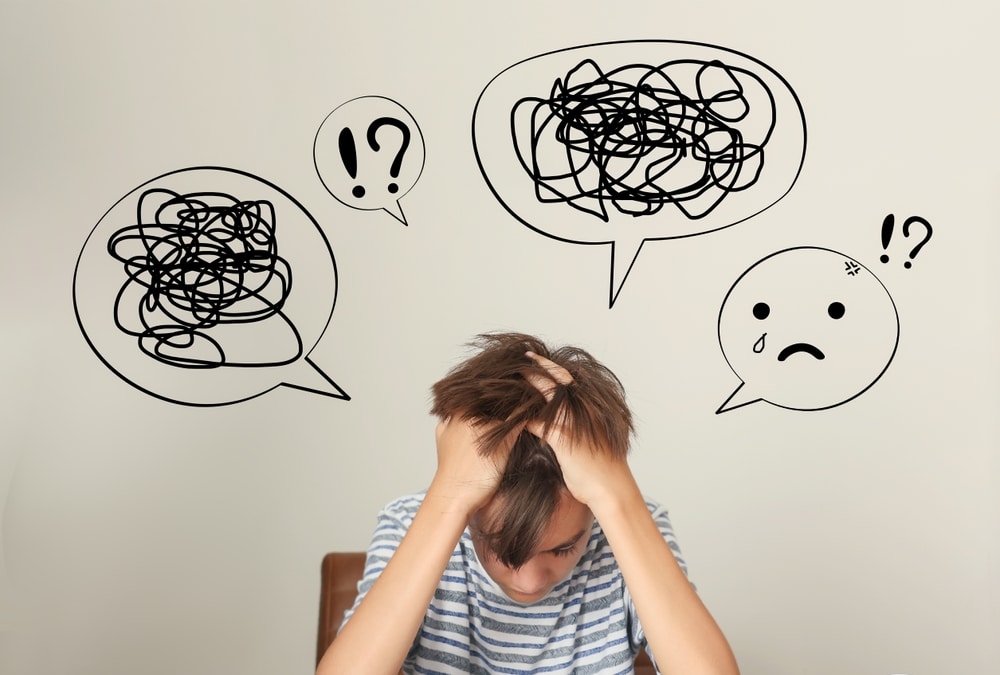
Depression for a young person is a state where the world loses its colour. Everyday activities that used to bring joy become overwhelming or pointless. A teenager often feels that no one understands them, and attempts to talk to adults end in failure. They may have the impression that their problems are trivialised, which only deepens their sense of loneliness.
Children with depression often struggle with an internal conflict – they want someone to help them, but they are afraid that they will be rejected or judged. Sometimes they express their emotions through outbursts of anger, avoiding conversations, and even aggression. This is a cry for help that requires attentiveness and understanding.
How can you help your child?
As a parent, you have a key role in the process of supporting a child with depression. The first step is to understand that depression is not a whim or a „bad mood”, but a real problem that requires attention. Here is what you can do:
- Talk to the child – ask how he feels, what is worrying him. Listen carefully, without judging or forcing advice. Sometimes just being listened to gives a child a sense of relief.
- Suggest the help of a specialist – a child psychologist or psychiatrist can help diagnose the child's condition and propose appropriate support. Sometimes just talking to a therapist gives a young person the space to express their emotions.
- Be present – Your child needs to feel that you are close by, that you support them and are not judging them. Time spent together, even in silence, can build a sense of security.
- Observe the changes – if you notice the child's condition worsening or suicidal thoughts appearing, do not hesitate to seek urgent specialist help.
How does therapy for depressive states in adolescents work?
The treatment of depression in adolescents typically involves psychological therapy, and in some cases, also pharmacotherapy. Cognitive behavioural therapy (CBT) is one of the most effective methods, helping the child to understand and change negative thought patterns. Working with a therapist gives the young person tools to cope with emotions, build self-esteem and reduce feelings of hopelessness.
Family support is also an important element. Family therapy helps to strengthen bonds, improve communication and create an environment that encourages the child's recovery.

Why is it worth reacting?
Untreated depression can lead to serious consequences, such as self-harm, suicidal thoughts or difficulties in adult life. Early recognition and intervention can significantly improve the quality of life of the child and the whole family.
Your support, understanding and readiness to act are crucial in helping your child overcome this difficult period. Depression does not mean that something has gone wrong – it is a challenge that can be overcome together if we act with care and love.
Check out the specialists at the MECAL Clinic in Gdańsk.




