



Obsessive gaming – how to help your child?
In today’s world, where technology is an integral part of everyday life, computer games have become one of the most popular ways for children and young people to spend their free time. For many of them, it is a form of relaxation, a space to develop skills, and also a place to connect with peers.
However, as a parent, you may notice that innocent entertainment is turning into something more – the hours spent in front of the screen begin to eclipse learning, chores, or family time. Your child may increasingly withdraw into the virtual world, and attempts to limit screen time end in anger, arguments, or isolation.

Addiction to computer games is a challenge faced by more and more families. At the Mecal Psychological Clinic in Gdańsk, we know how difficult and emotional these situations can be. We want to provide you with the support and tools to help your child regain balance.
Why do children become addicted to games?
For a child or teenager, computer games can be more than just a fun activity. It’s a world where success is easily achieved, which is often more difficult to achieve in real life. In a game, you can be a hero, have complete control over your world, and feel needed within the team.
For many children, games are also a way to escape from difficult emotions – school stress, conflicts with peers, or the pressure often imposed by the modern world. Virtual reality offers an illusion of safety, but at the same time it becomes a trap that gradually takes away from the child what is most important: the joy of real life.

How to recognize that your child has a problem?
Every parent knows that computer games are part of the life of the young generation. But where does the ordinary passion end and the addiction begin? Pay attention to the following signs:
- The rest of it falls into the background. – the child gives up their favorite activities, does not want to go out of the house, neglects their studies.
- Excessive emotional reaction – when you try to limit the time they spend playing, your child reacts with anger, despair, or withdrawal.
- Problems with sleep and health – Your child spends many hours in front of the screen, which makes them tired, irritable, and even refuses to eat.
- Running away from responsibilities and relationships – gaming is becoming the only way to spend free time, and contact with family and peers is starting to diminish.
If any of these symptoms seem familiar to you, your child may need support to get back on track.
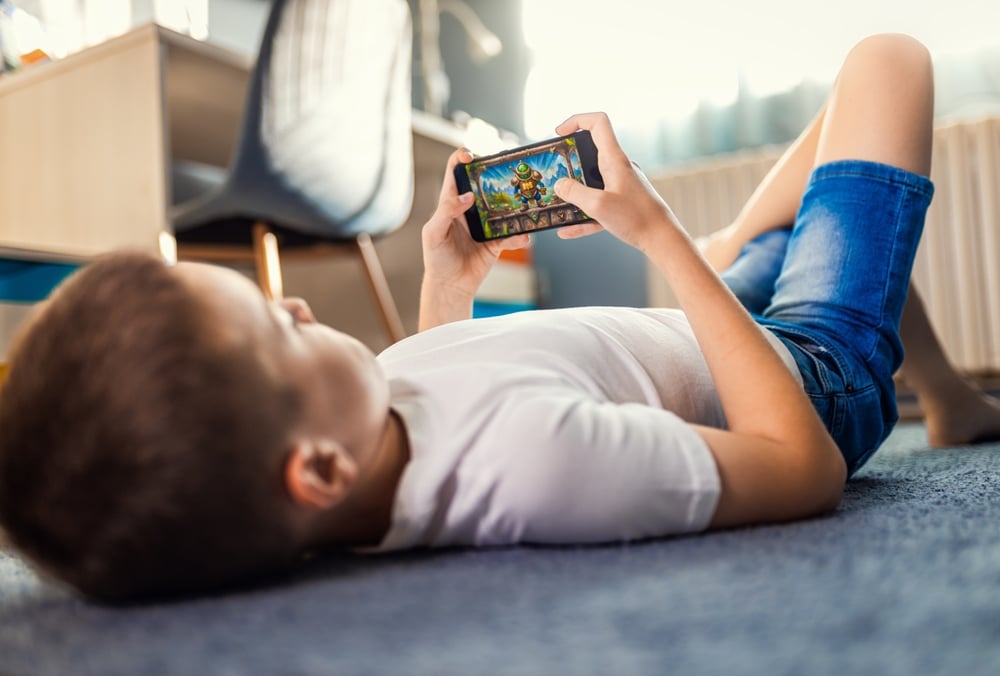
What are the consequences of addiction to computer games?
Long-term addiction to computer games can lead to serious consequences for both the child and the whole family. Children who spend many hours in the virtual world often struggle with sleep problems, reduced academic performance, and difficulties in building relationships with peers.
For parents, everyday life becomes full of frustration and a sense of helplessness. Conflicts about playing begin to dominate family conversations, and you may feel that you are losing touch with your own child. These situations are emotionally difficult, but remember – you are not alone.
What does the treatment for computer game addiction look like?
At the Mecal Psychological Clinic in Gdańsk, we approach this problem with full understanding and empathy. We believe that behind every addiction lies an unspoken need – perhaps your child is seeking acceptance, escaping difficult emotions, or simply doesn’t know how to spend their time differently. Therapy in our clinic not only helps the child, but also the whole family understand what lies at the root of the problem and how together they can overcome it.
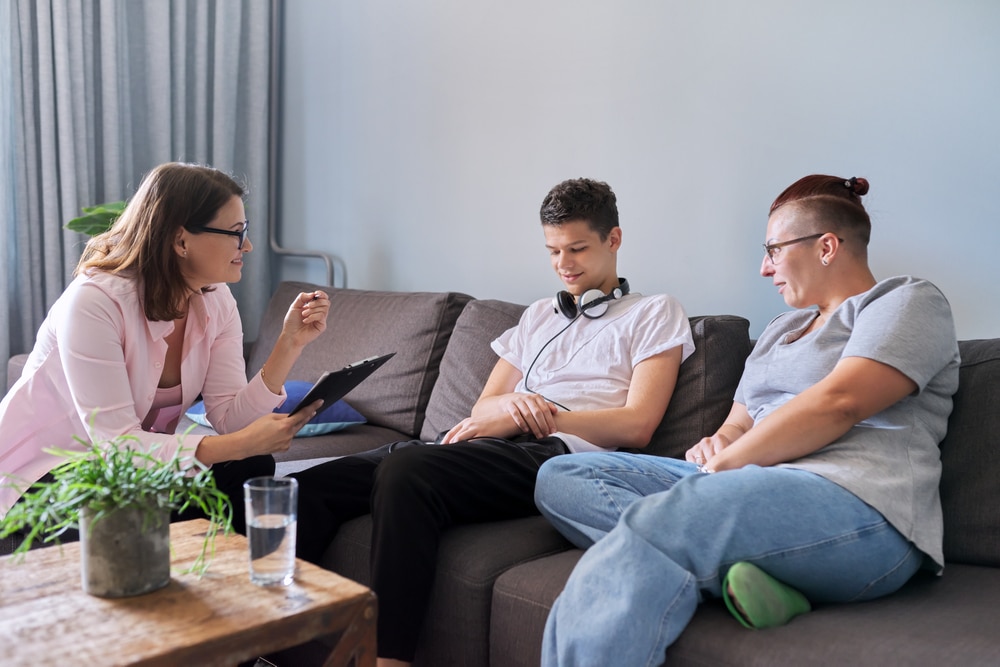
Individual therapy for a child
During individual therapy sessions, the child has the space to understand their emotions and learn how to deal with them again. We work on:
- An understanding of why games have become so important.
- Building healthy habits and alternative forms of spending time.
- Developing social skills that will allow the child to establish satisfying relationships in real life.
Family therapy – the key to success
We know that a child’s addiction affects the entire family. Therefore, we invite parents to work together to improve communication, set boundaries, and rebuild relationships. Together, we establish the rules for using technology at home so that they are realistic and acceptable for both the child and the parents.
What can you do right now?
As a parent, you have a huge influence on how your child will cope with the problem. Here are some steps you can take:
- Talk to the child – Don’t criticize, but ask what playing gives him, why he likes it so much. Try to understand what lies behind his passion.
- Set boundaries – jointly work out the rules for using games, for example, set a time limit for the child to spend in front of the screen.
- Encourage other activities – help the child find a hobby that will be equally engaging, but will also allow them to develop their real-world skills.
- Set an example – if you spend a lot of time alone with your phone or computer, show that you can limit your use of technology.

Why is it worth trusting the Mecal Clinic?
At the Mecal Psychological Clinic in Gdańsk, we understand that addiction to computer games is not only a problem for the child, but also for the entire family. Our goal is to work together to restore the balance in which the child will once again find joy in the real world, and you, as a parent, will feel peace and certainty that you are supporting them in the best possible way.
You don’t have to deal with this problem alone. Contact us and let us help your family get through this difficult time. Together, we will find a solution.