



When is it worth seeking help?
Anger in itself is not a problem. It is a natural emotion and a sign that something is crossing a child or teenager's boundaries, causing frustration, anxiety, helplessness or overload. The problem begins when tension regularly turns into outbursts, destruction of property, verbal aggression, hitting, pushing, threats or behaviours that the young person cannot control.
- For parents this is usually very stressful: it is difficult to tell what is a „difficult phase” and what is a sign that the child is not coping emotionally. This is precisely when specialist help makes sense. A child and adolescent psychologist is not there to judge the family, but to understand where the aggression comes from and how to genuinely put a stop to it.

Aggression in children and young people – what can it really mean?
- Aggression rarely appears out of nowhere. Most often, it is a symptom of difficulties rather than their cause. A child cannot always say: „it is too hard for me”, „I am overwhelmed”, „I feel rejected”, „I don't understand what is happening to me”. Instead, they show tension through their behaviour.
- In younger children, aggression may stem from immature emotional regulation, high frustration, sensory difficulties, tension at home, jealousy, anxiety, or developmental issues. In adolescents, peer conflicts, school overload, shame, low self-esteem, impulsivity, difficulty with boundaries, experiences of rejection, or a growing sense of powerlessness are more frequently added.
- Therefore aggression in children and young people should not be reduced to a simple message: „he is misbehaving” or „he has a bad character”. Such thinking usually solves nothing. Help begins when we try to understand what the child or teenager is communicating underneath.
When is it worth taking a child or teenager to see a psychologist?
There is no need to wait for a very serious incident to occur. In practice, it is best to react earlier — when aggression starts to recur, escalate or affect the daily functioning of the home, school and relationships.

It is worth considering psychological consultation for a child or teenager, when:
- fits of anger are frequent and hard to stop,
- the child hits, pushes, bites, breaks things or threatens others,
- the teenager reacts with verbal aggression, provokes conflicts, intimidates or gets into fights,
- out of anger he cannot calm down and regain his balance,
- aggression appears at school, at home or in relationships with siblings,
- tension builds after divorce, change of school, loss, family crisis,
- aside from aggression, one can see anxiety, withdrawal, learning difficulties, sleep problems, or physical symptoms,
- The parent feels that the previous ways of reacting no longer work.
A quick consultation does not mean that a child is „seriously disturbed”. Most commonly, it means that a parent does not want to wait until the difficulty becomes ingrained.
Psychologist and psychotherapist – which help will be appropriate?
Child and adolescent psychologist this is often the best first step. A consultation helps to determine what is behind the behaviour: whether the main issue is emotional regulation, family situation, school conflict, impulsivity, a developmental crisis, or perhaps co-occurring difficulties.
Child and adolescent psychotherapist carries out a longer working process when aggression is not a one-off reaction, but an entrenched way of coping with tension. Child and adolescent psychotherapy it can help when outbursts of anger recur, affect relationships and functioning, or are part of broader emotional difficulties.
- In practice, the parent does not have to decide on their own what will be best. That is what the initial consultation is for. Sometimes a few sessions and parental support are enough. Sometimes regular therapy is needed. Sometimes it also turns out to be important to incorporate family work.
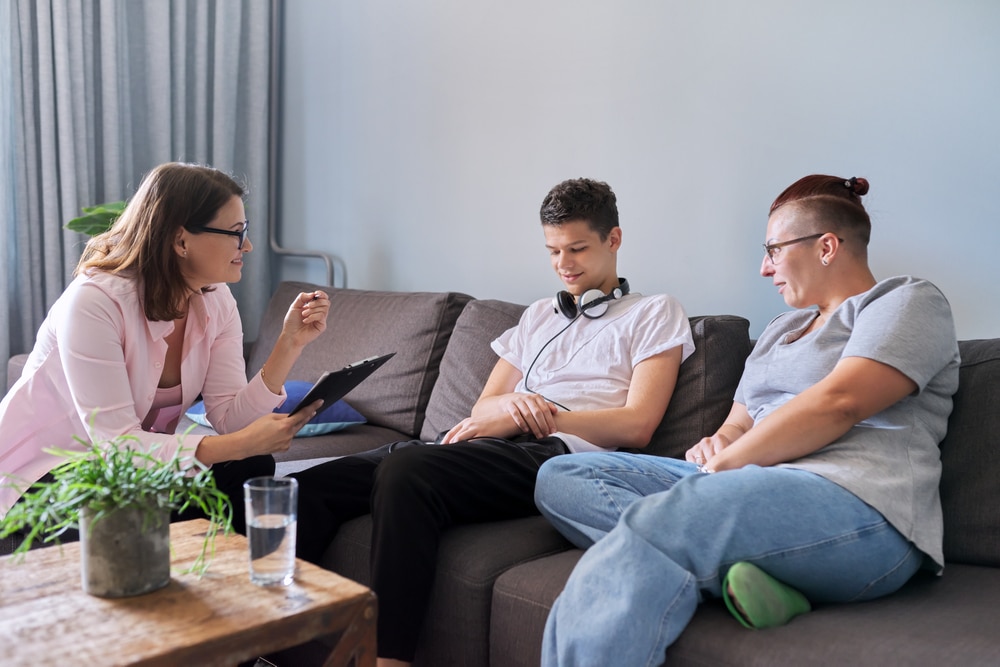
What does the initial consultation for an aggression problem look like?
- The first visit is not for finding someone to blame. This is important, because parents of children with aggression often arrive with high tension and a feeling that they are about to be told what they are doing wrong. A good consultation looks different: it helps to understand the situation, name the mechanism of the difficulties and establish a plan of action.
- At the initial meeting, we discuss when aggression appears, what it looks like, what precedes it, how adults react, and how the child functions at home, at school, and in relationships. Depending on the age, observation of the child or teenager is also important: their manner of contact, level of tension, frustration tolerance, ability to regulate, and relationship with the caregiver.
- Just organising this information often brings a parent relief. Out of the chaos and sense of helplessness, something begins to emerge that can be understood and changed step by step.
What does the initial consultation look like?
The first visit is not about forcing a detailed account of the trauma. A good consultation should serve to understand the situation and build a sense of safety. You talk about what is happening now: which symptoms appear most often, what triggers them, what sleep, tension, concentration, relationships, school or work look like, and what helps to lower the overload even a little. A trauma-informed approach assumes safety, trust, cooperation and regaining agency, rather than „pushing” a person into a story they are not ready for.
- In young people, talking to a parent or carer can also be important, but without stripping the teenager of their agency. Sometimes, simply putting the symptoms in order provides relief, because what seemed like chaos or a „strange reaction” starts to make sense as a comprehensible bodily response to trauma.
What does PTSD psychotherapy look like?
Help is not about „putting out explosions” with bans alone. That usually only works for a moment. Effective work involves several levels at once: understanding emotions, teaching tension regulation, reinforcing safe boundaries, changing how adults respond, and looking at what triggers aggression.
- In working with a child, the relationship, observation, therapeutic play, practicing the naming of emotions, and building new ways of reacting are important.
- When working with a teenager, conversation, working on impulsivity, self-awareness, boundaries, responsibility and relationships are of greater importance.
What difficulties do we help with at MECAL Gdańsk?
At MECAL Gdańsk we support children, young people and parents when anger and aggression begin to take control of everyday functioning. We help with, among other things:
- outbursts of anger and physical aggression,
- verbal aggression and domestic conflicts,
- difficulties with emotion regulation,
- tension and impulsivity,
- aggression in school and peer relationships,
- difficulties following a divorce, loss or family crisis,
- co-occurring difficulties, such as ADHD, sensory overload, anxiety or low mood,
- situations in which help for parents and the whole family is also needed.
Where necessary, support can be combined with other areas of the clinic's work: child and adolescent psychotherapy, family / systemic therapy, support with ADHD, autism therapy for children, sensory integration therapy, with consultation as part of specialist team and contacting the facility to select the best assistance plan.
Aggression in children and adolescents Gdańsk – help that brings order to the situation
Aggression does not come from nowhere. It is usually a signal that a child or teenager is struggling to cope with tension, emotions, a relationship or a situation that is overwhelming them. The earlier this is understood, the greater the chance that the problem will not become entrenched as a permanent way of reacting.
If you are looking for a place where child aggression Gdańsk i youth aggression are treated calmly, objectively and without judgement, the initial consultation can be a good step. Sometimes support for parents and a few sessions are enough.


Book a consultation with our psychologist: CALL: 578 707 878




